Rising to 1,429 meters above sea level, Cao Xiem peak was once known as the “roof of Quang Ninh” and is considered one of the most scenic trekking routes in Vietnam’s northeastern region. The climb is physically demanding, but the reward is a pristine natural “paradise” that is wild and majestic, yet gently poetic. Cao Xiem is truly an ideal destination for travelers with a passion for exploration and adventure.
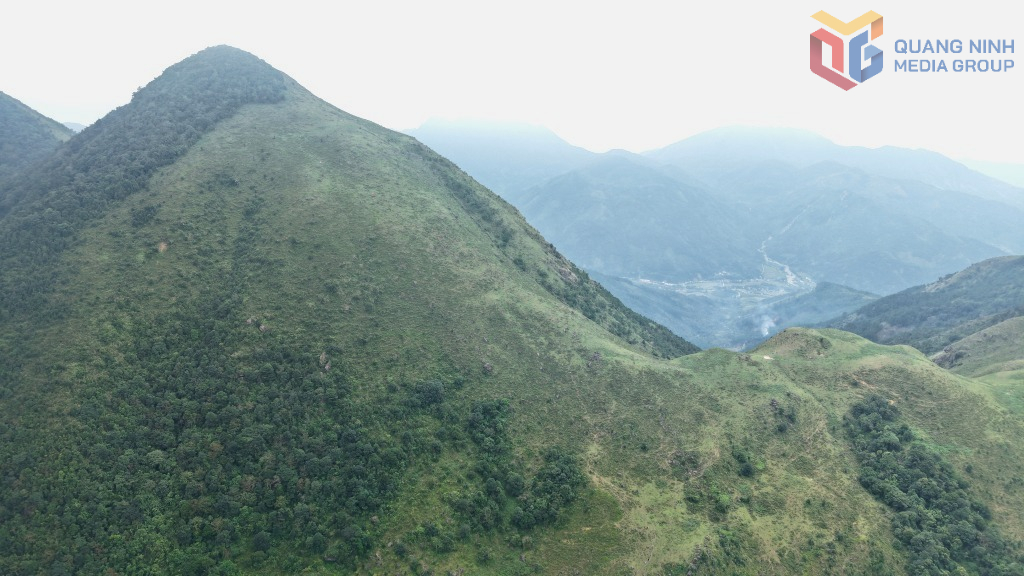
The majestic Cao Xiem Peak is often likened to the “roof” of the Northeast region.
Cao Xiem Peak, also known as Khau Khoang or Flagpole Peak, can be accessed from three starting points: Cao Thang Village (Luc Hon Commune), Luc Ngu Hamlet (Huc Dong Commune), and Ngan Meo Village (Luc Hon Commune).
From the foot of the mountain, the ascent takes around two and a half hours at a steady pace. Those who pause to admire the scenery or take short breaks along the way may need an additional one to one and a half hours.
The trail from Ngan Meo Tren Hamlet winds through lush star anise forests and cool pine woods, with stone-paved paths dotted with striking clusters of ferns. The journey is further enlivened by rich vegetation and a variety of delicate wildflowers, creating a constantly changing and engaging landscape.
According to Vice Chairman of the People’s Committee of Luc Hon Commune, Ngo Van Mau, Cao Xiem is a new tourism product that has been officially introduced since the 2025 Golden Harvest Festival. With its beautiful scenery and relatively accessible route, the commune plans to further develop Cao Xiem into a distinctive local destination. Recently, Luc Hon has also worked with a delegation of Japanese experts to survey the area and provide training for local residents, aiming to develop tourism in a way that keeps the destination green, clean, and closely linked to the community-based economy of households living around the mountain.
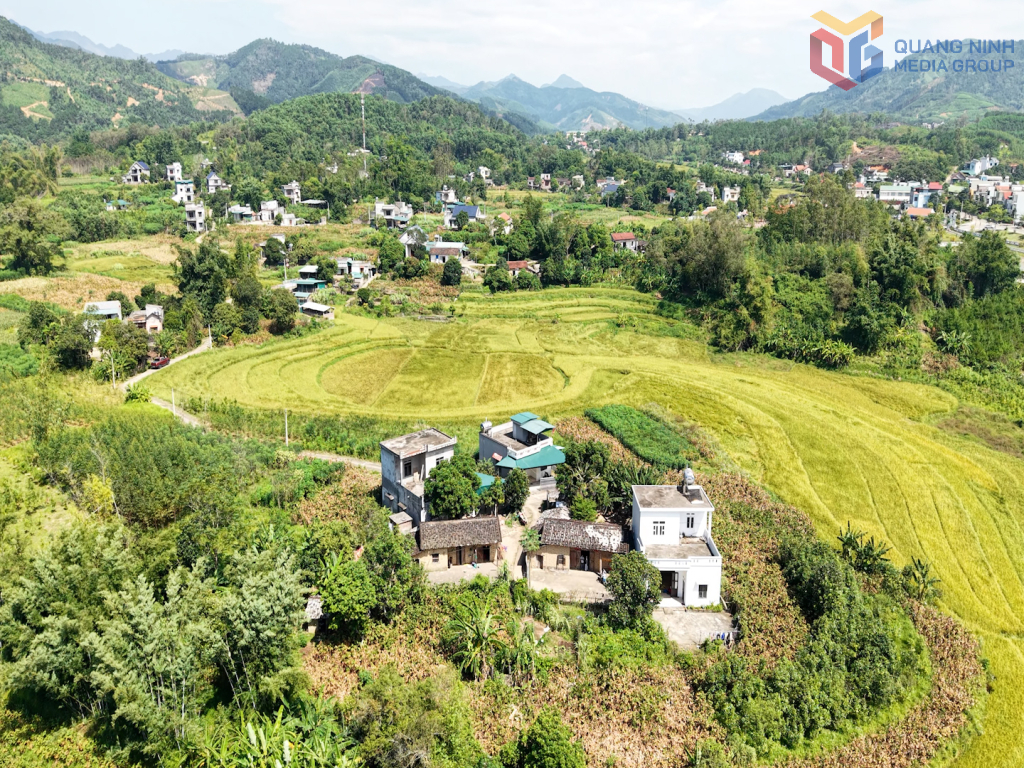
The poetic and tranquil atmosphere of the Tay ethnic village in Ban Cau hamlet, Luc Hon commune.
The appeal of Cao Xiem lies not only in its natural beauty but also in the cultural traces woven into the journey. Along the trail, visitors may come across traditional rammed-earth houses of the Dao and Tay ethnic groups.
As the path climbs higher, the scenery gradually changes, revealing layered landscapes of increasing depth and charm. Wild pomelo, guava, and forest lemon trees line the way, their subtle fragrance carried by the mountain breeze. After the initial stretch, the forest opens onto rolling pine-covered hills, an ideal spot to rest, set up a tent, or camp overnight.
Beyond this lies the grazing land of local villagers, guiding trekkers deeper into the vast Luc Hon wilderness, where endless star anise forests release their scent, tall pine trees sway in the wind, and the aroma of forest flowers lingers softly along the trail.
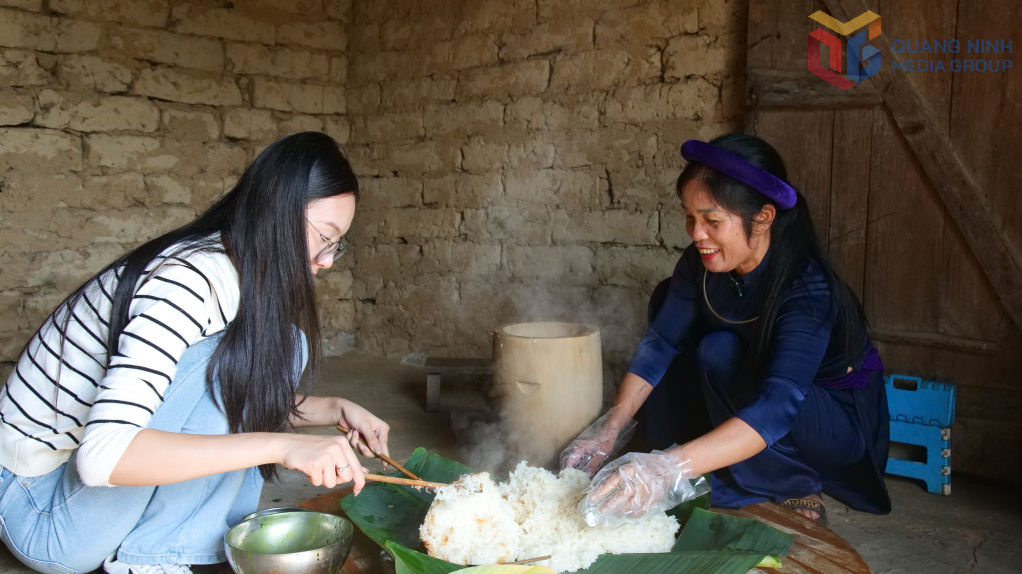
Visitors take part in cooking newly harvested rice together with local residents.
If Cao Xiem embodies the grandeur of nature, the Tay Ethnic Cultural Village in Luc Hon commune offers a contrasting sense of serenity and rustic charm, or the true cultural “soul” of this land and an ideal retreat for visitors after their trekking journey to the summit of Cao Xiem.
With over 98% of its population belonging to ethnic minority groups, Luc Hon Commune is home primarily to the Tay people, who have preserved a rich tapestry of unique traditional customs. Tay culture is not only celebrated through festivals but has also been thoughtfully transformed into community-based tourism experiences, allowing visitors to connect with local life in an authentic and intimate way.
This year, the yellow harvest festival has been expanded with a wide range of engaging activities, highlighted by the community tourism tour “Stay in the village, eat with locals, and work alongside them”, along with sightseeing, hands-on experiences, and photo opportunities in Tay ethnic villages. Among these destinations, Ban Cau Hamlet stands out as a representative Tay cultural village.
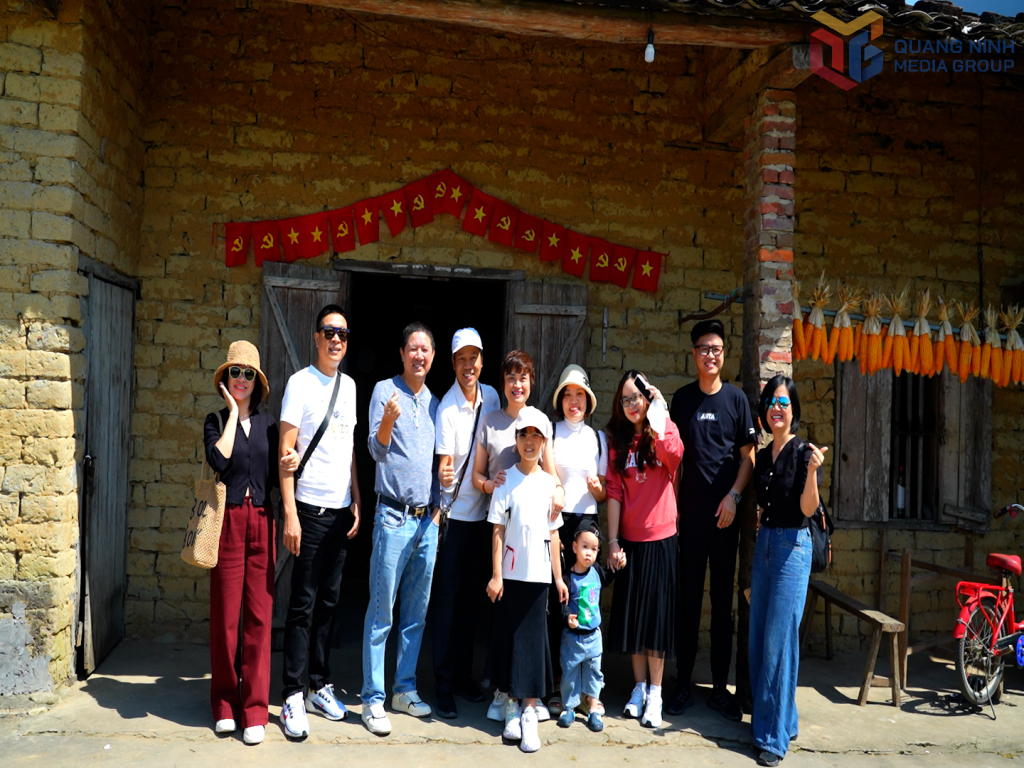
Visitors take check-in photos at a traditional Tay house.
At Ban Cau, visitors are invited to explore traditional Tay houses, discover everyday village life, and take part in time-honored activities such as making coc mo cakes, steaming sticky rice, weaving bamboo trays and baskets, and listening to villagers share stories of customs and cultural traditions. Each story and each dish becomes a living piece of memory, vividly reflecting the enduring vitality of Tay culture in the modern era.
These immersive experiences create lasting impressions for travelers visiting the beautiful land of Luc Hon. More than just a journey, it is an opportunity to feel the warmth, sincerity, and hospitality of the local people, and to appreciate the rich cultural identity that makes this destination truly special.
By Phuong Dung